Design Nomenclature / Surface & Material
Material honesty
Also called truth to materials
This entry has not been translated yet and is shown in English.
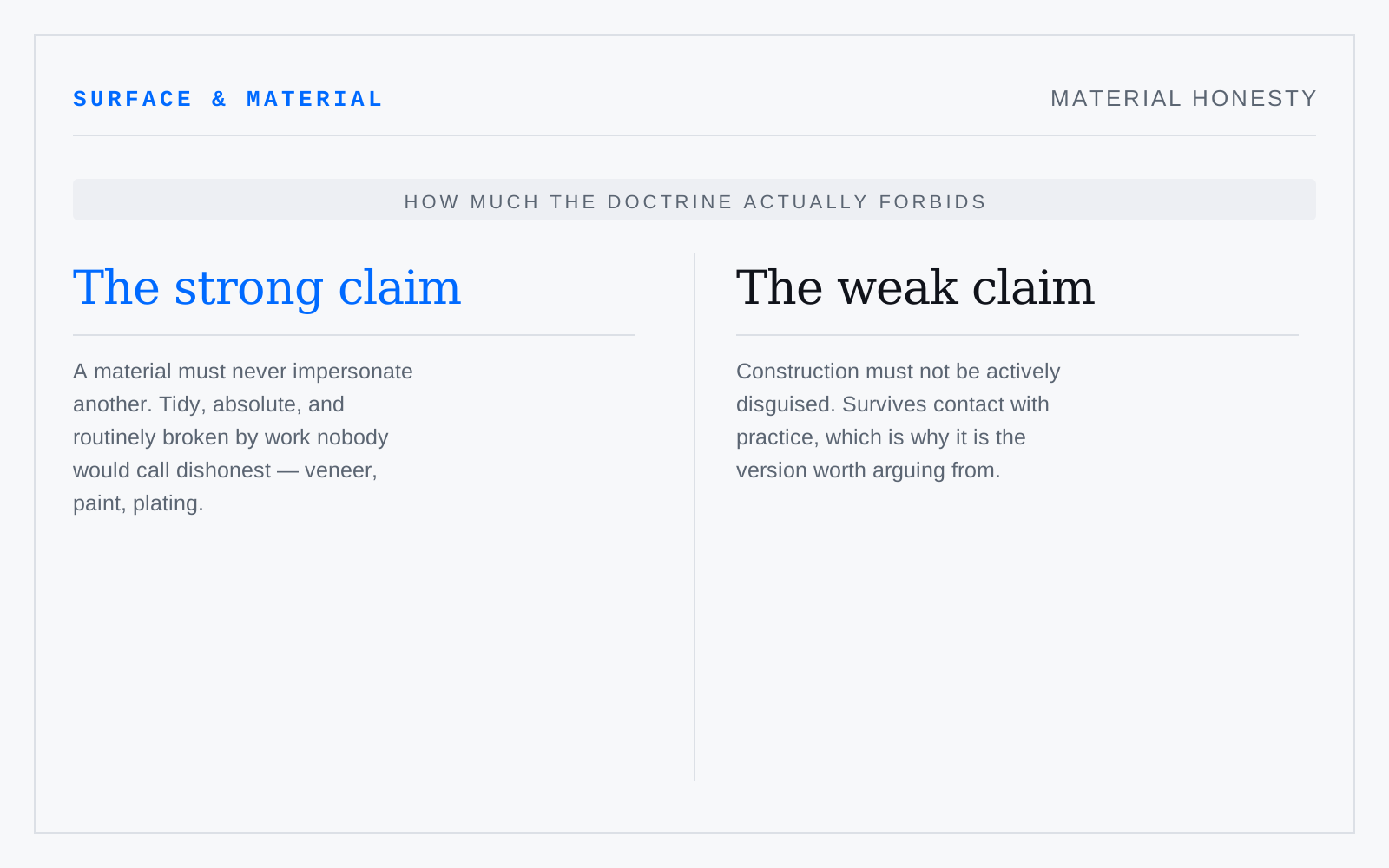
The position that a material should present as itself rather than impersonate another: plastic reading as plastic, not as wood grain. A modernist doctrine, not a law, and broken defensibly all the time — veneer and paint are not frauds. The weaker, more durable version asks only that construction not be actively disguised.
In practice
Invoked as though it settles an argument. It does not; it names one side of a real disagreement about what a surface owes the viewer.
Not to be confused with
- DistressWear applied on purpose — abrasion, chipping, staining, denting — to imitate the appearance of use without the history. It reads convincingly only when it follows the logic of contact: edges, high points, and the places a hand actually lands go first, and everything else stays intact.
- Surface languageThe finishes, textures, and material transitions a product or family uses consistently enough that surface itself carries instruction — grip here, press here, do not touch this. Coherence does the work, not variety: an unexplained finish change reads as a manufacturing accident rather than a signal.