Design Nomenclature / Physical Model Making
Sprue
Also called pouring channel, downgate, sprue stick
This entry has not been translated yet and is shown in English.
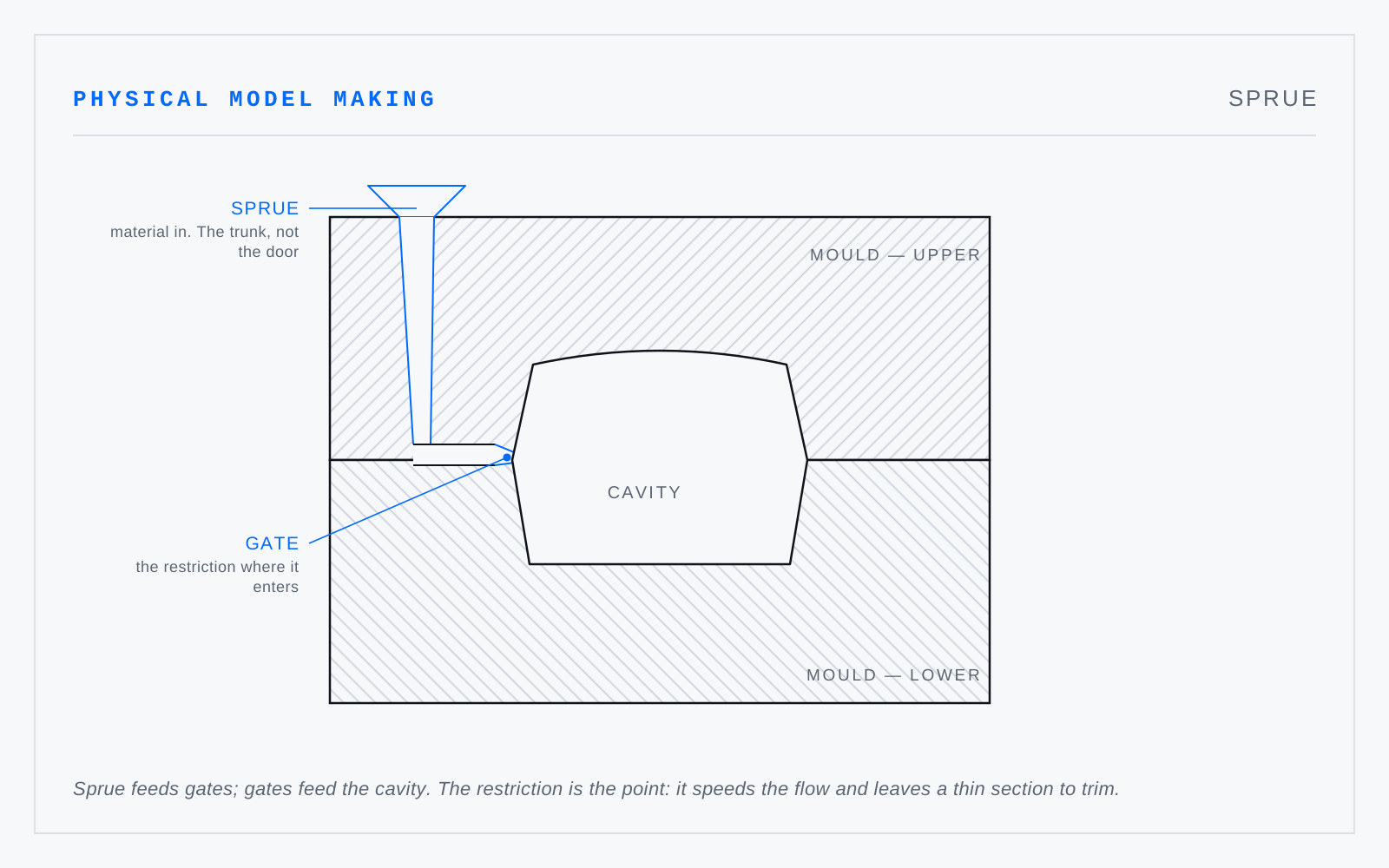
The main channel material travels down to reach the mould, and the solid stick of waste left standing in it afterwards. It is the trunk, not the door: it feeds gates, which feed the cavity. Cut it off and the mark it leaves on the part is the sprue scar.
Not to be confused with
- GateThe restricted opening where material finally enters the cavity, deliberately smaller than the sprue feeding it. The restriction speeds and directs flow, and gives a thin section to snap or trim. Gate placement decides where knit lines and trapped air end up, which makes it a design decision rather than plumbing.
- RiserA reservoir attached to a casting that stays molten longer than the part and feeds metal back in as the part shrinks while it freezes. Without one, the shrinkage forms a void inside the thickest section — invisible until the part is sectioned or fails in service. Risers feed. They are not vents.
- VentA deliberate escape path for the air the incoming material has to displace. Trapped air stops a fill dead and leaves a smooth-walled void at the far end of the cavity — the corner that never fills. Vents are cut small enough that material chills and plugs them before it follows the air out.
Origin
An old founding word for the wasted metal left in the pouring channel. It named the leftover first and the passage second, which is why "the sprue" is a thing you throw away.