Design Nomenclature / Physical Model Making
Milling
Also called end milling, machining, routing
This entry has not been translated yet and is shown in English.
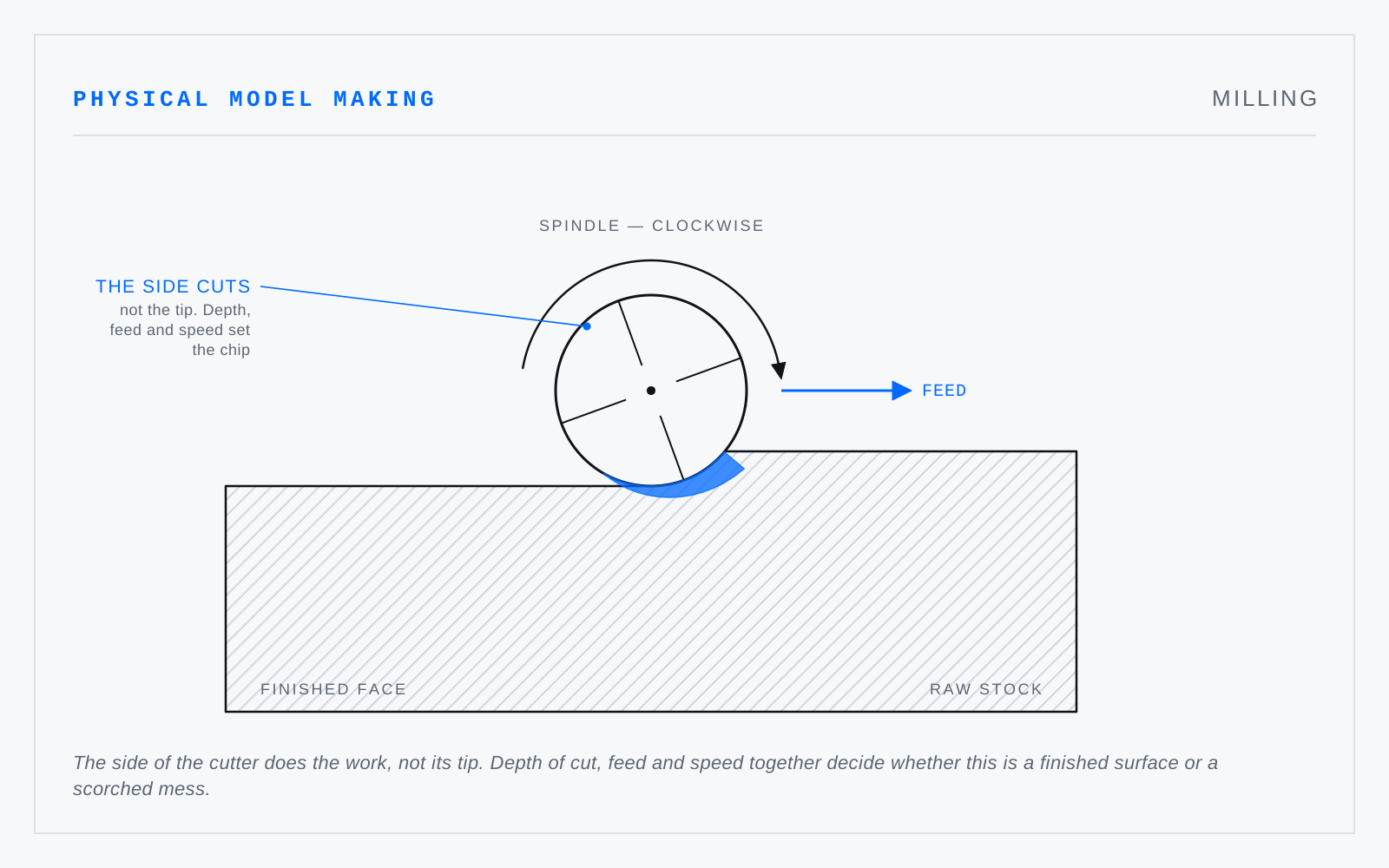
Cutting with a rotating multi-flute tool while the work moves against it, producing planes, pockets, and profiles. The side of the cutter does the work, not its tip. Depth of cut, feed rate, and spindle speed together decide whether the result is a finished surface or a scorched, chattering mess.
In practice
A router is milling too, though it spins fast and shallow in wood while a mill runs slow and rigid in metal. Same geometry, different world.
Not to be confused with
- TurningCutting with a stationary tool against rotating work, producing forms symmetrical about a single axis. The lathe fixes the axis; the tool traces the profile. Anything round — a knob, a spindle, a wheel — comes out faster and truer turned than milled, and anything not round cannot be turned at all.
- BoringEnlarging an existing hole with a single cutting edge, correcting its diameter and — crucially — its position and straightness. A drill follows the hole it is already in and wanders on the way. A boring tool does not have to. Boring is how a hole gets located accurately, not merely made bigger.