Design Nomenclature / Physical Model Making
Abrasive blasting
Also called blasting, bead blasting, grit blasting, sandblasting
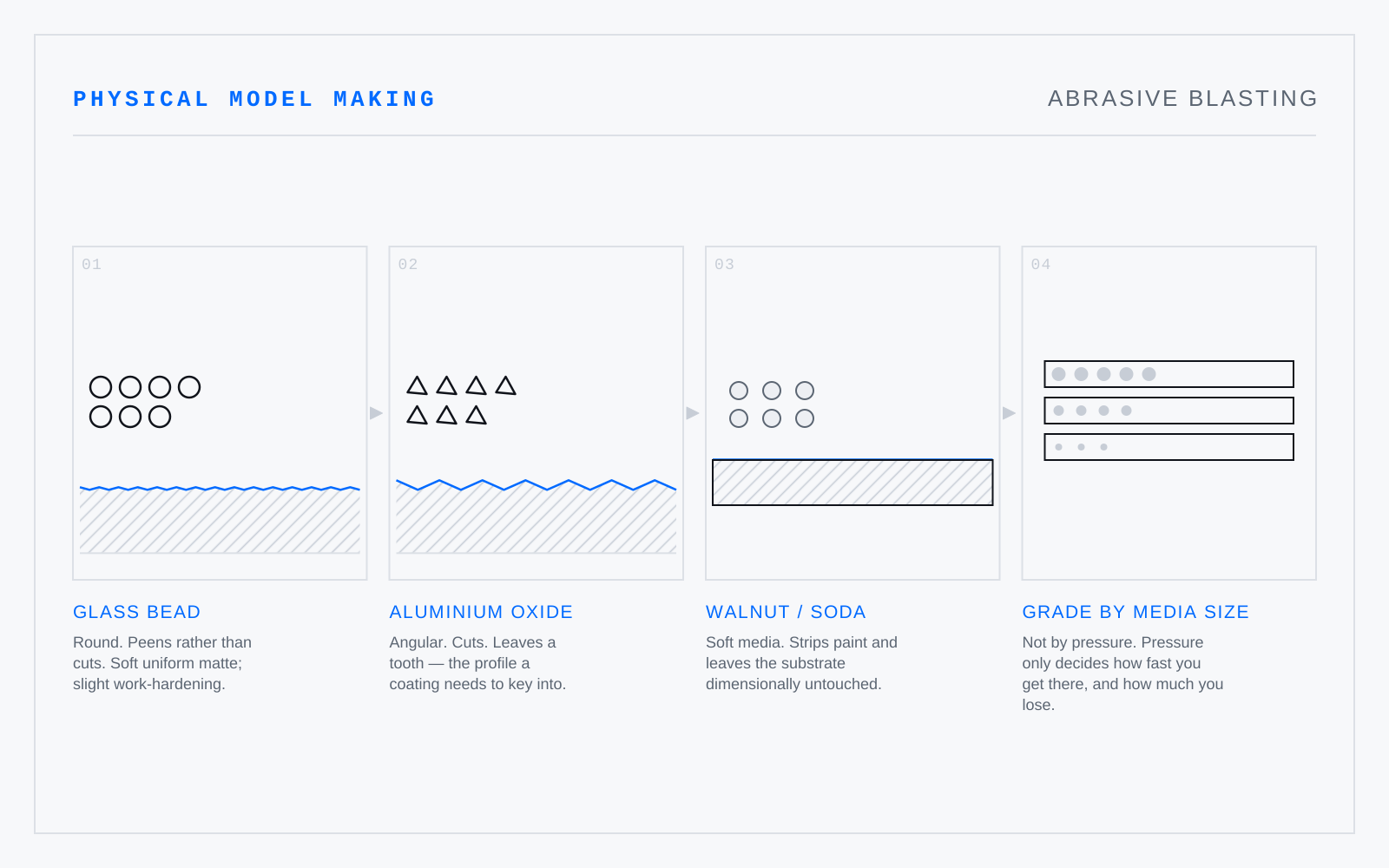
Driving media against a surface with compressed air. The media decides the result far more than the pressure does: angular grit cuts and leaves a matte tooth for coating, glass bead peens and leaves a soft uniform matte, walnut shell and soda strip without touching the substrate under them.
In practice
"Sandblasting" names a media nobody has used in decades — silica sand causes silicosis. Because the finish has no lay, it hides everything a brushed finish would show, and shows every dent a brushed finish would hide: blasting is not a way to fix a bad surface.