Design Nomenclature / Light & Optics
Exposure
Also called EV, exposure value
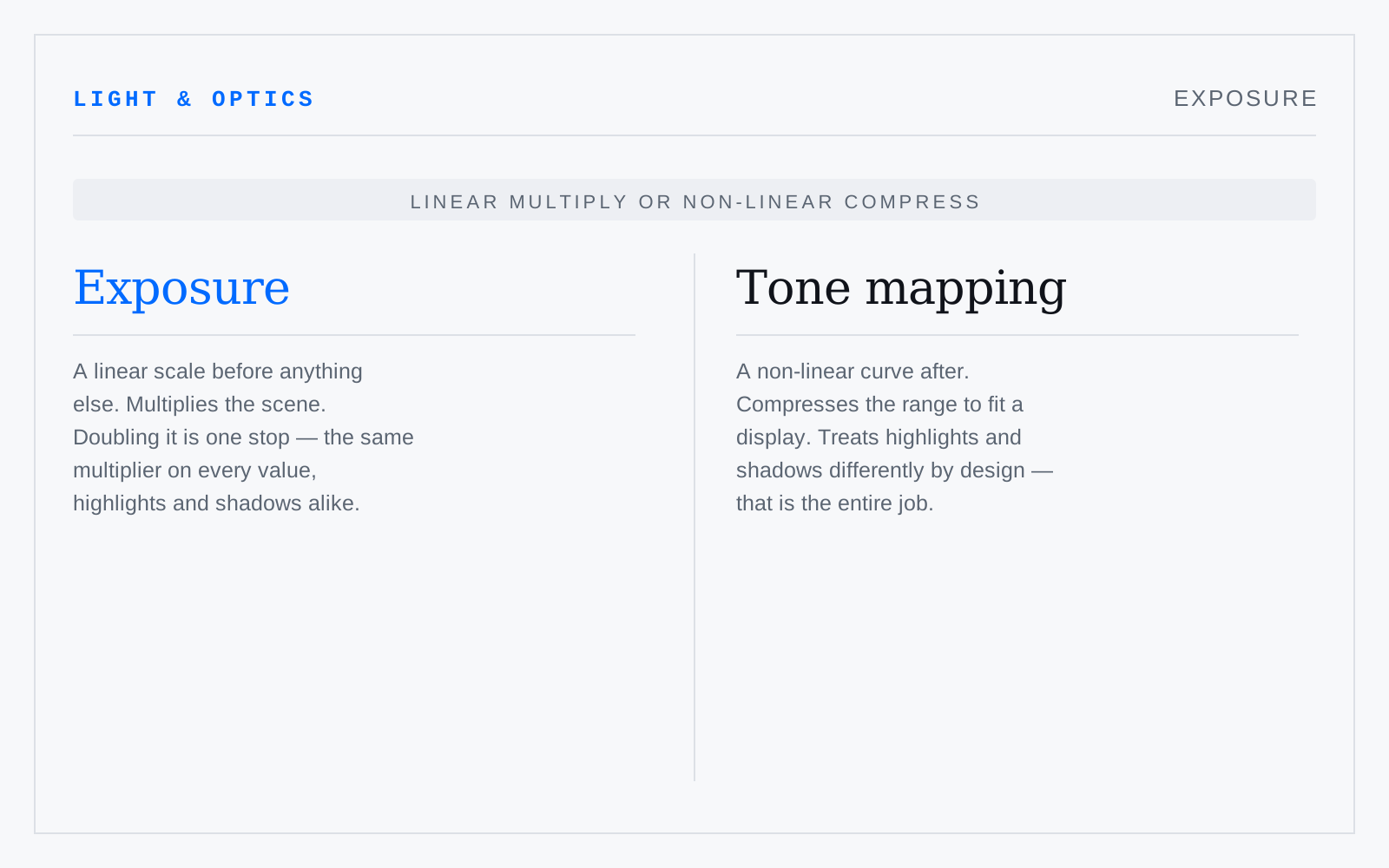
Strictly, the illuminance on the sensor multiplied by the time it is collected — lux-seconds, set by aperture and shutter alone. It determines how much light was actually recorded; ISO merely scales what gets done with the result afterwards.
In practice
One word, three jobs: a camera setting, a renderer's EV parameter mapping scene luminance to output, and a post slider that multiplies pixels after the fact. Only the first records anything.
Not to be confused with
- Tone mappingThe transform fitting a scene's luminance range into what a display can show — compressing highlights, holding mid-tone contrast, and deciding where things clip. It is neither a colour correction nor optional: some curve is always applied, and choosing none means choosing a hard clip.
- Dynamic rangeThe ratio between the largest and smallest luminance a scene, sensor, or display can carry, usually quoted in stops of doubling. A real scene may span twenty; a good sensor fourteen; an SDR display under ten. Everything difficult about photography lives in that gap.
- High keyA tonal strategy placing most of a scene's values in the upper register with a low key-to-fill ratio, so shadows stay open and transitions gentle. The range is compressed toward the light end deliberately: it is a decision about where the histogram sits, not a failure of exposure.