Design Nomenclature / Surface & Material
Grain
Also called wood grain, paper grain, film grain, rolling direction
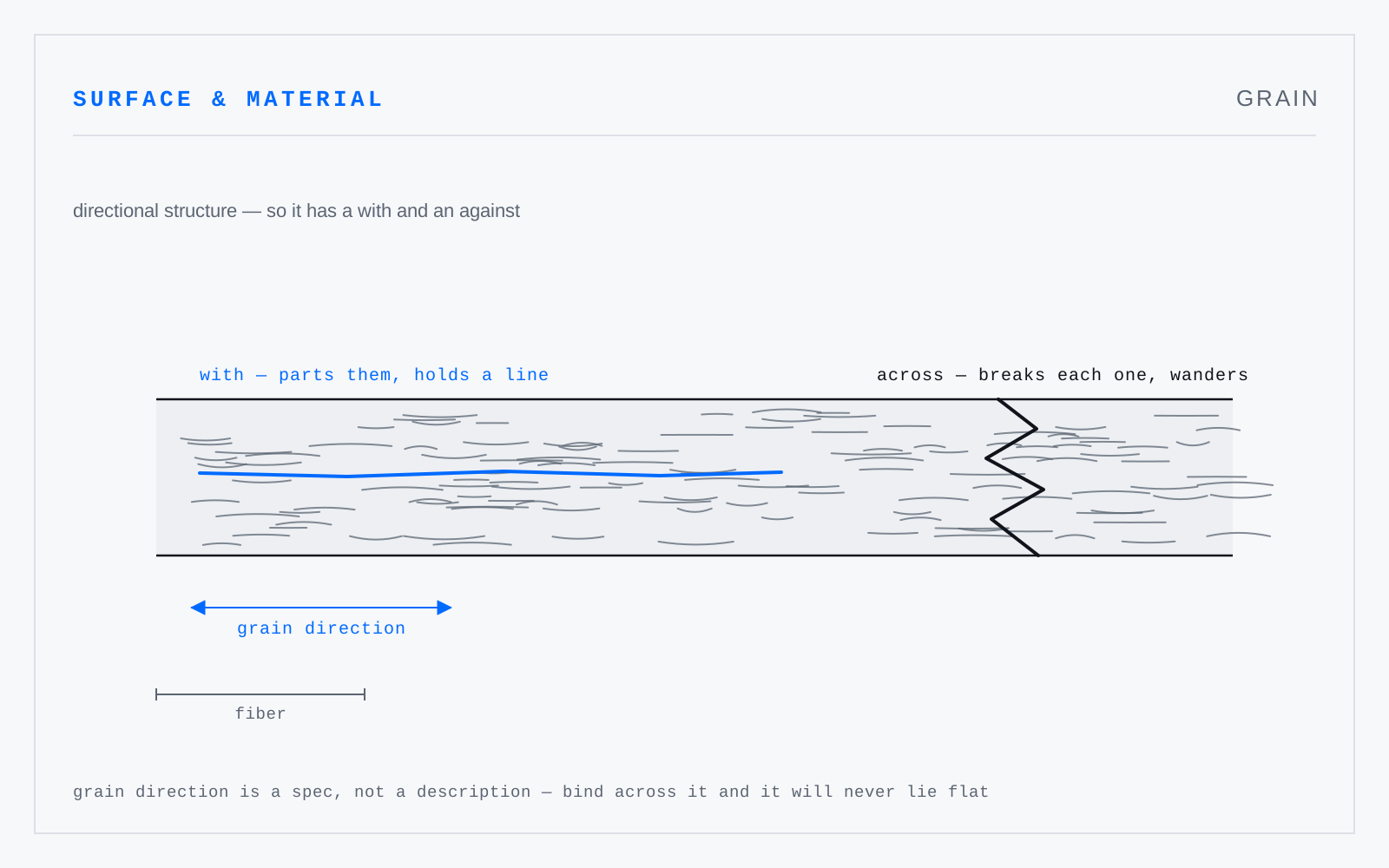
The directional structure a material carries from how it was made — fibers aligned in wood and paper, silver halide in film, the rolling direction in sheet metal. Because it is directional it has a with and an against, which is why paper tears straight one way and wood planes clean one way and tears out the other.
In practice
Grain direction is a spec, not a description. Bind a book across the grain and it will never lie flat, and no amount of pressing fixes it.
Not to be confused with
- NapRaised fiber ends standing off a textile or paper and lying in one direction, so the surface reflects and feels different with the lay and against it. Velvet, suede, corduroy, flocking. Cut two panels of a garment with the nap running opposite ways and they will read as two different colors.
- TextureThe character of a surface at a scale finer than its form — either tactile, meaning real relief the hand can register, or visual, meaning pattern with no relief at all. The distinction earns its keep because photography, print, and normal maps all exist to convert the first into the second.