Design Nomenclature / Surface & Material
Patina
Also called verdigris, oxide layer, aged finish
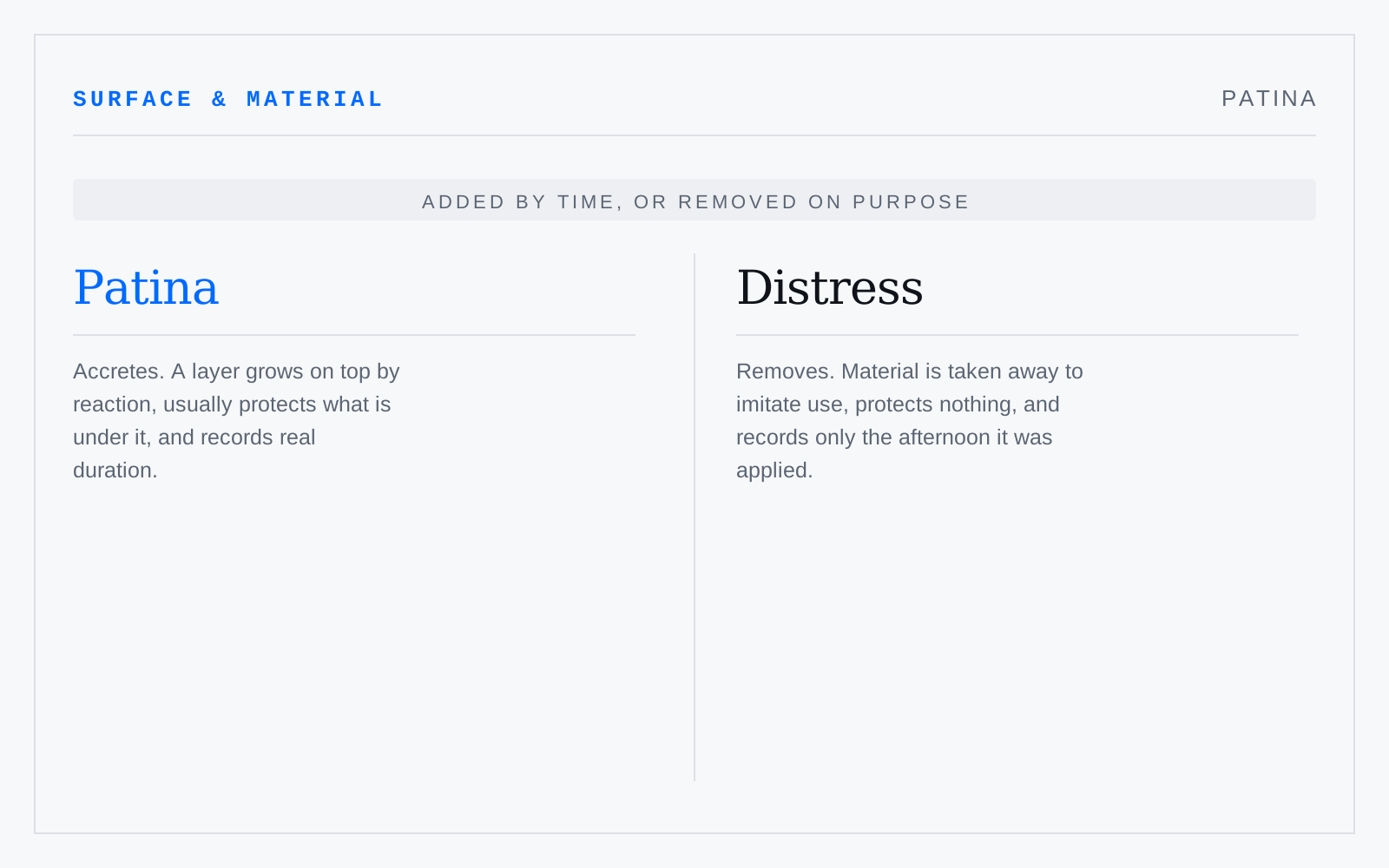
A stable layer formed by a material reacting with its environment over time — carbonate on bronze, oxide on weathering steel, oil and wear on leather and brass. It accretes, it usually protects what is under it, and it records actual duration. Inducing one chemically in an afternoon is legitimate craft; the layer is real either way.
In practice
Applied loosely to any aged look. Reserve it for something that actually grew there — otherwise the word you want is distress.
Not to be confused with
- DistressWear applied on purpose — abrasion, chipping, staining, denting — to imitate the appearance of use without the history. It reads convincingly only when it follows the logic of contact: edges, high points, and the places a hand actually lands go first, and everything else stays intact.
- Anodized finishThe appearance of an electrochemically grown oxide layer on aluminum: a hard, slightly translucent film with pores that take dye. It conceals nothing — it magnifies whatever finish was underneath. Blast first and it anodizes matte; polish first and it anodizes bright. Hardcoat runs thicker, darker, and takes color badly.
Origin
Italian patina, likely from Latin for a shallow dish — the film that formed on old vessels. Named for the film long before anyone understood the chemistry making it.