Overview
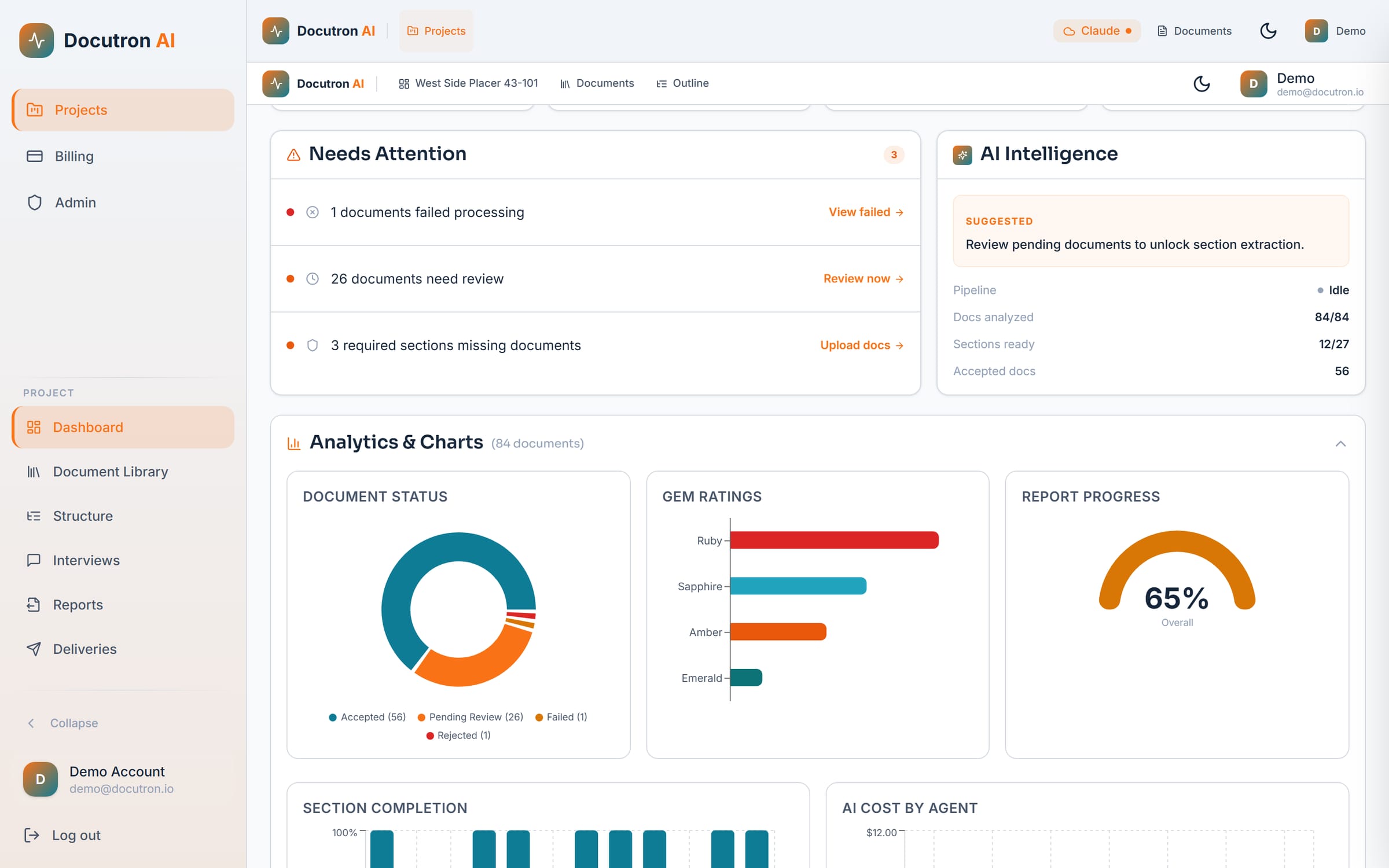
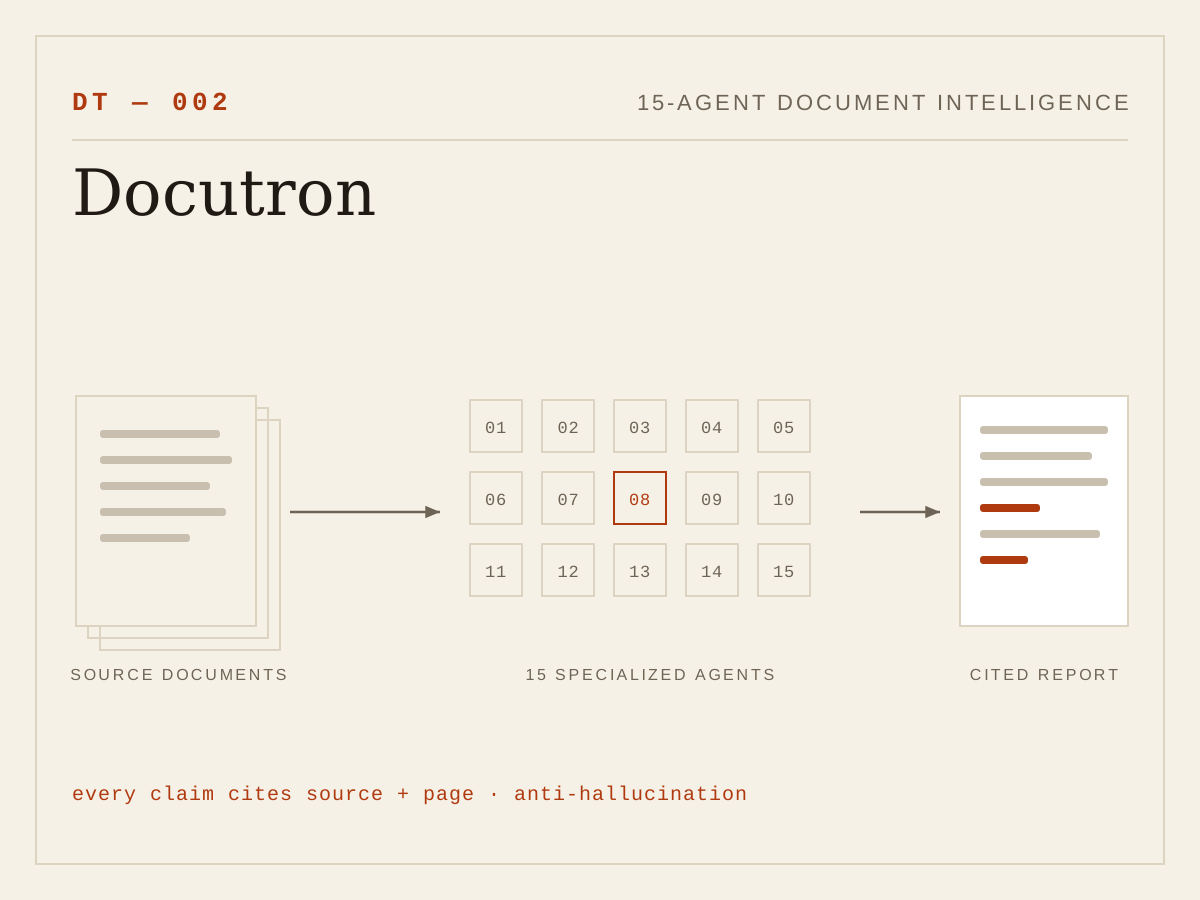
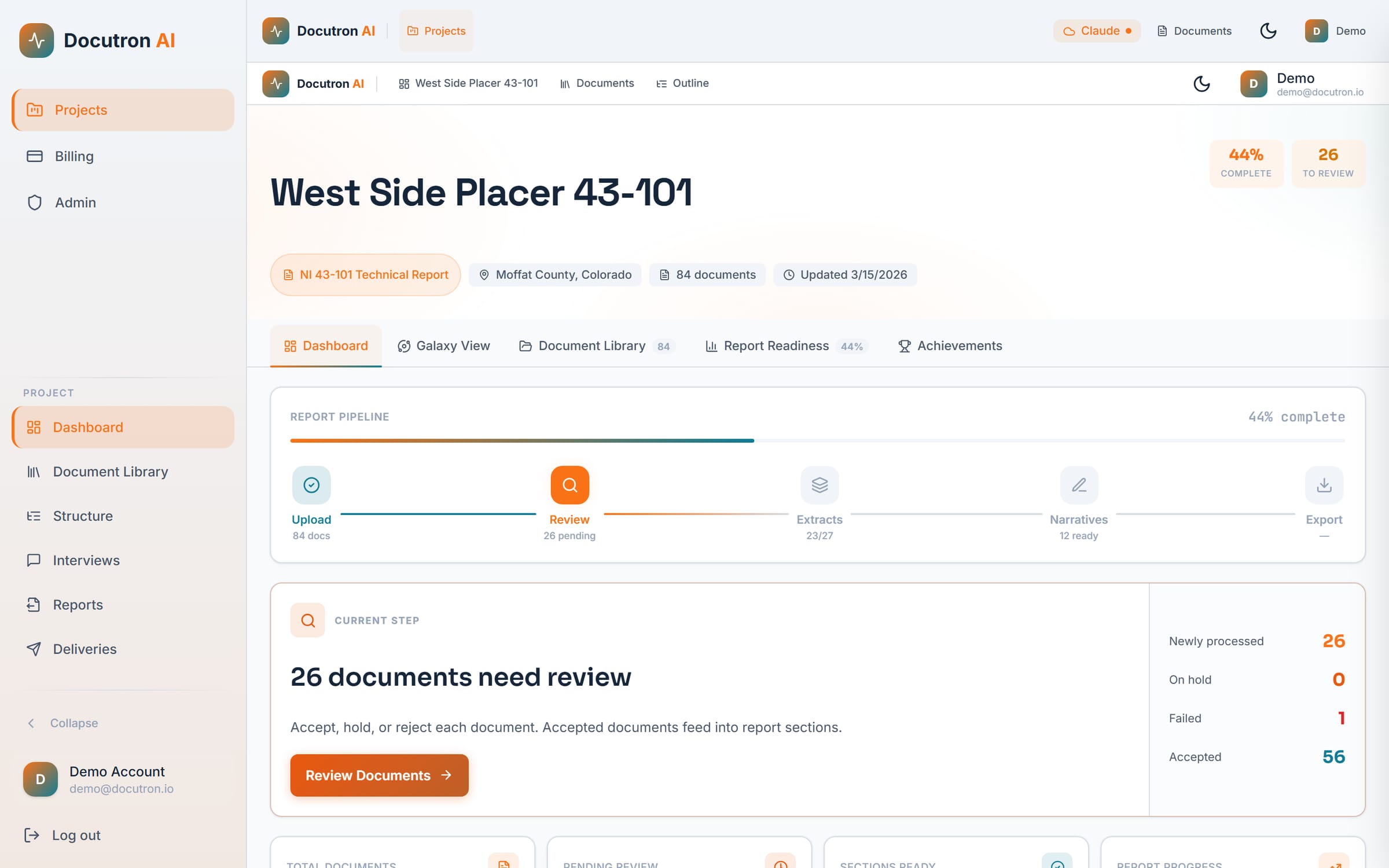
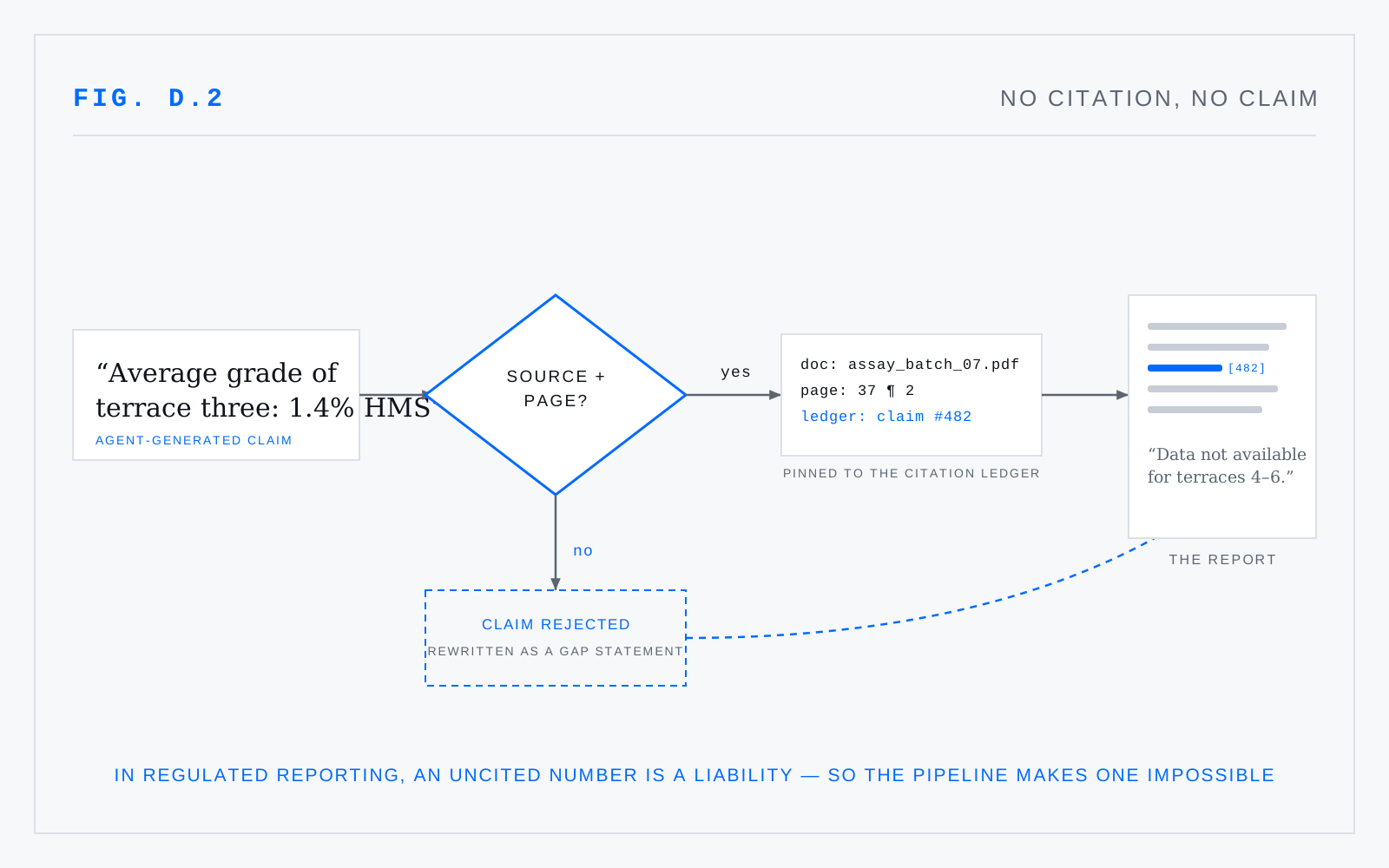
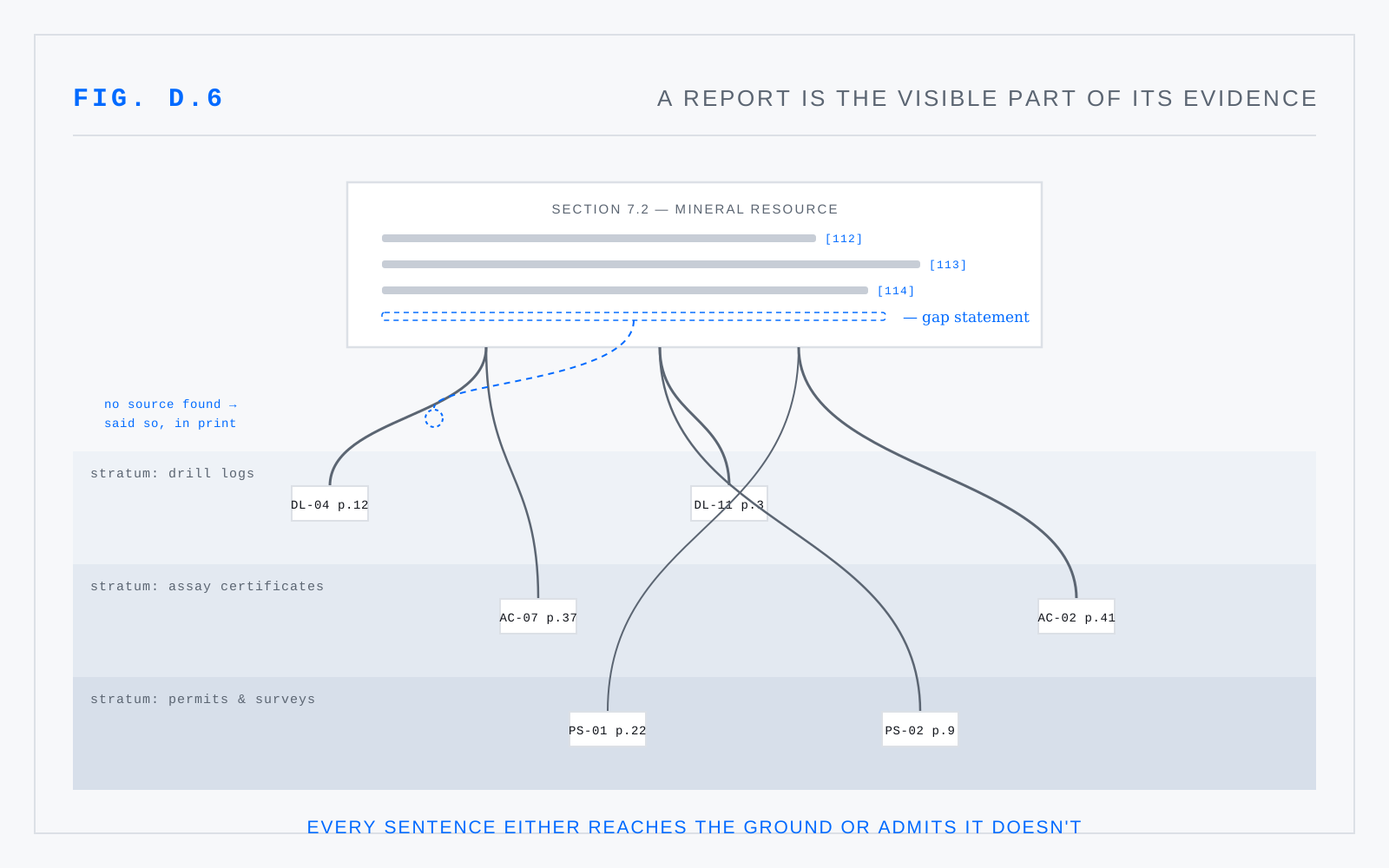
Docutron takes a pile of raw project files — drill logs, permits, assay results, surveys, photos — and produces a compliant, investor-grade technical report. The founding use case is the NI 43-101 mining standard, where accuracy is a regulatory requirement. The core principle is anti-hallucination by construction: every AI-generated claim must cite a source document and page reference, and missing data produces an explicit gap statement rather than a guess.
The Multi-Agent Pipeline
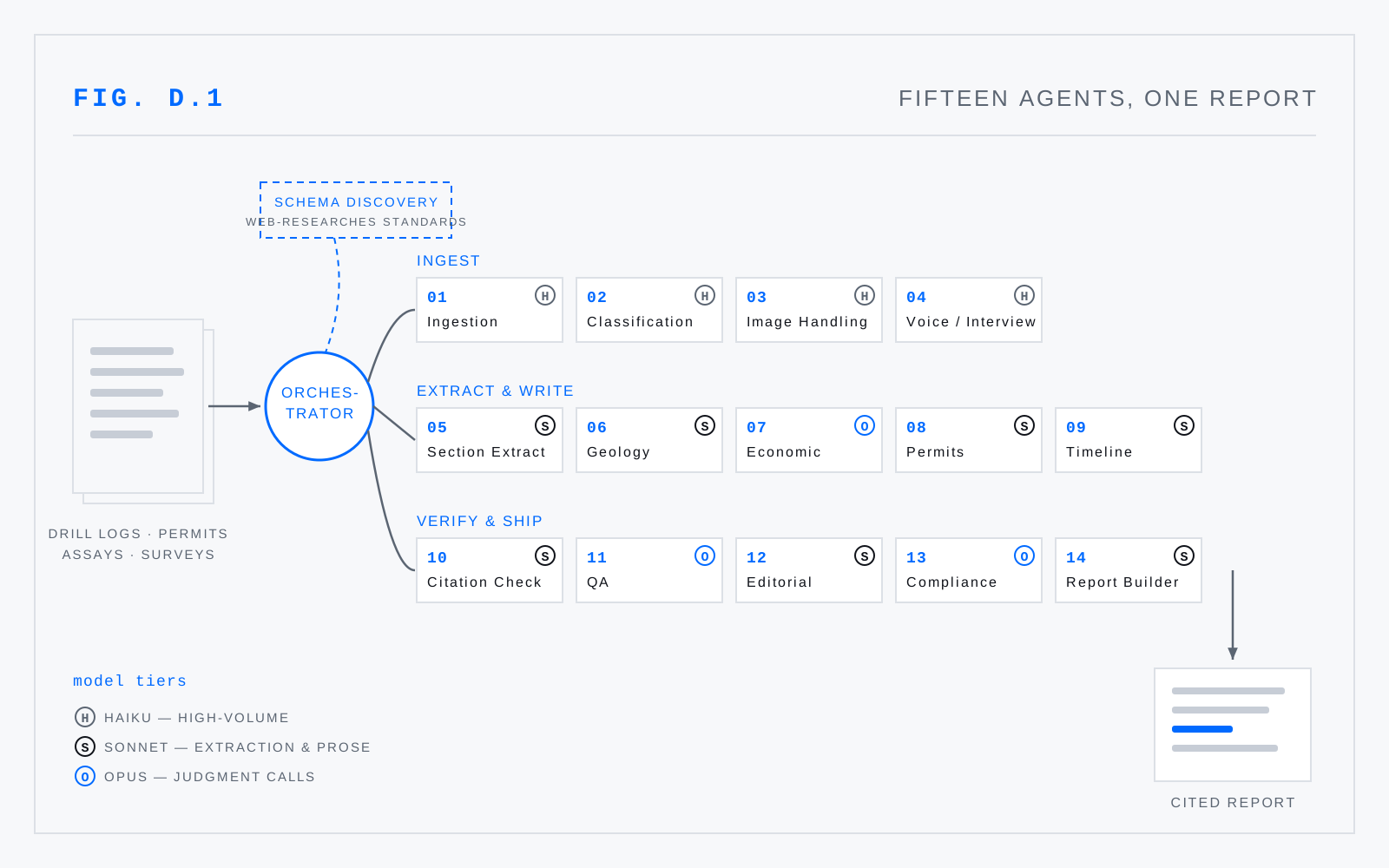
Fifteen specialized Claude agents collaborate on each report: an orchestrator coordinates ingestion, classification, section extraction, QA, editorial review, economic analysis, permit and timeline agents, image handling, and a final report builder. A schema-discovery agent researches regulatory standards via web search, so the system adapts to new report formats. Model selection is tiered: Haiku for high-volume classification, Sonnet for extraction and writing, Opus where depth matters.
How Work Flows
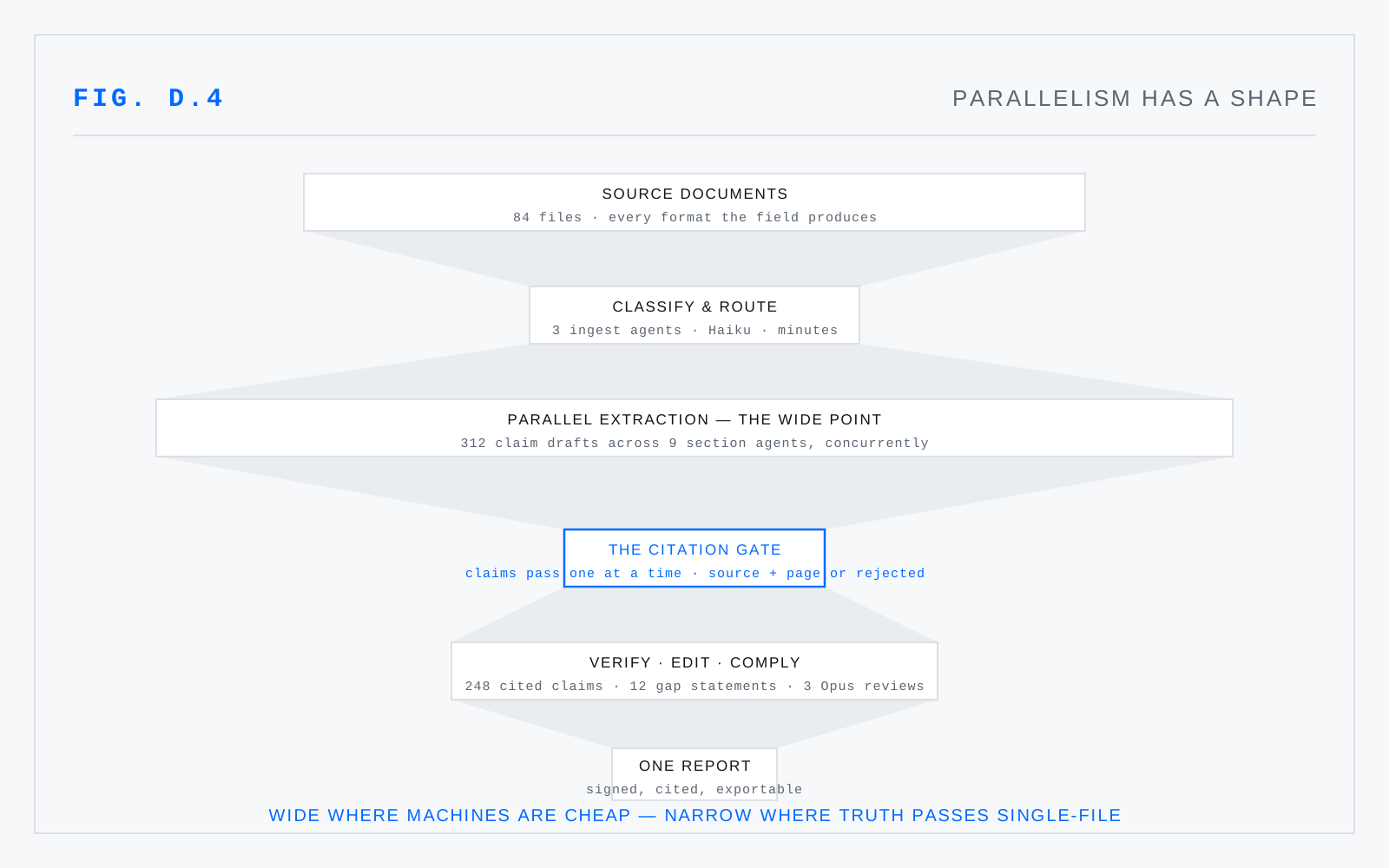
Three views of the same machine. The shape of a report's computation — parallel where work is cheap, serial where truth must pass single-file:
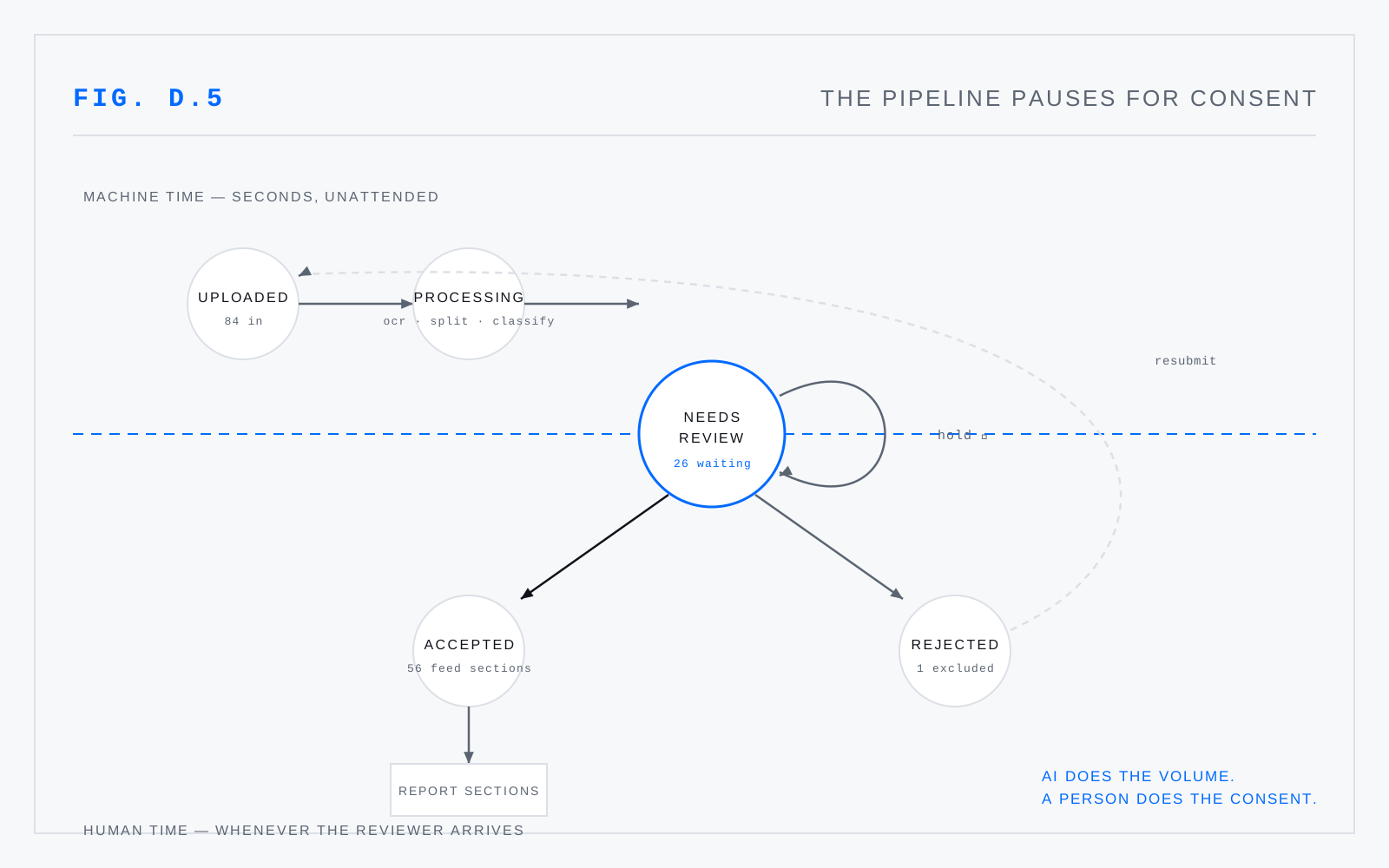
Where the human sits — the pipeline runs unattended until the review gate, where a person accepts, holds, or rejects every document before it may feed the report:
And what the output actually is — a report as the visible surface of its evidence, every sentence rooted to a page in the source strata or admitting it isn't:
Engineering Highlights
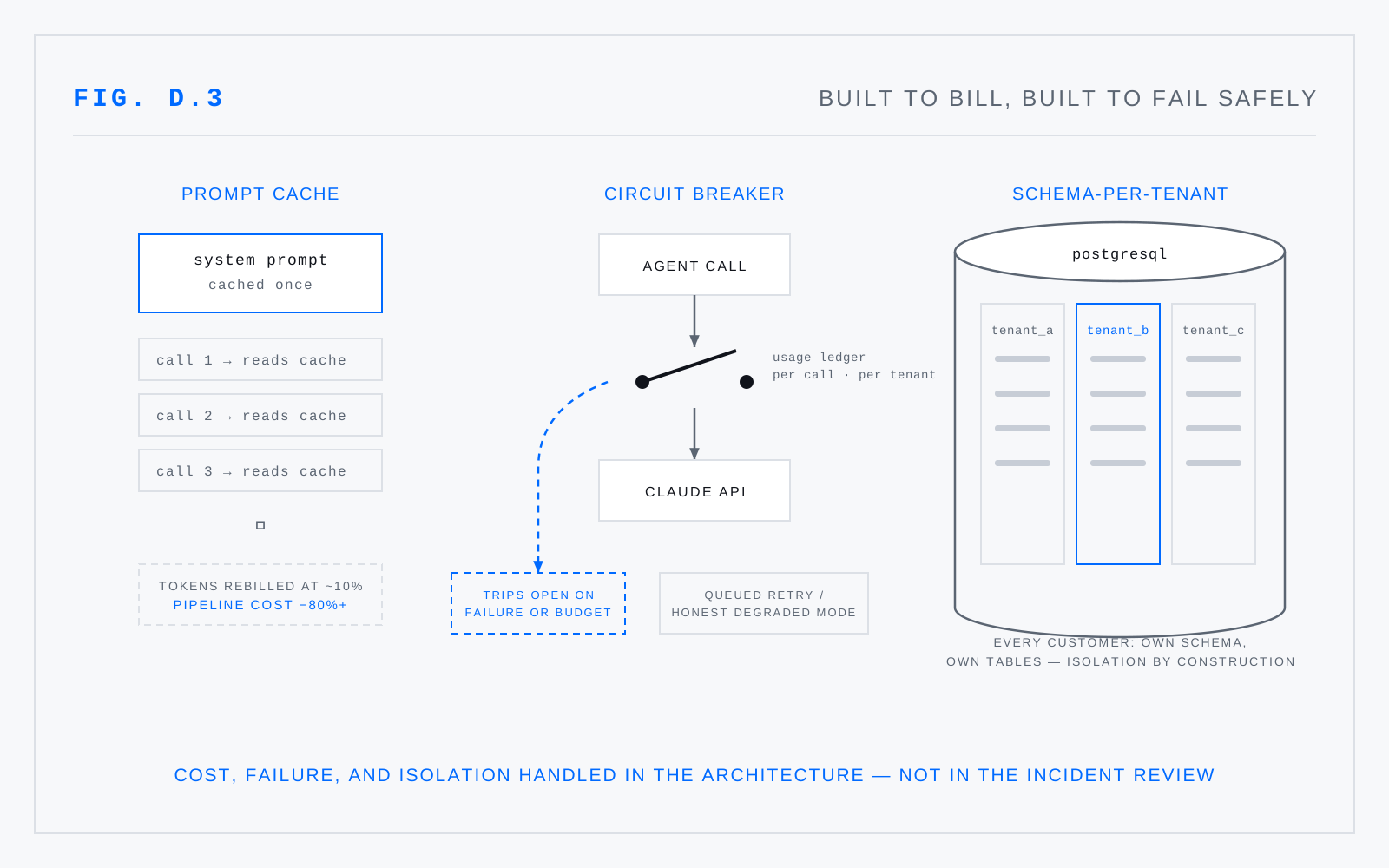
- Prompt caching on agent system prompts cuts AI costs by more than 80% across the pipeline
- Per-call AI usage tracking, cost estimation, and circuit breakers around every Claude integration
- Async FastAPI backend with SQLAlchemy 2.0, Celery/Redis task queues, and schema-per-tenant PostgreSQL multi-tenancy
- Security-first auth: JWT RS256, bcrypt, and TOTP two-factor authentication
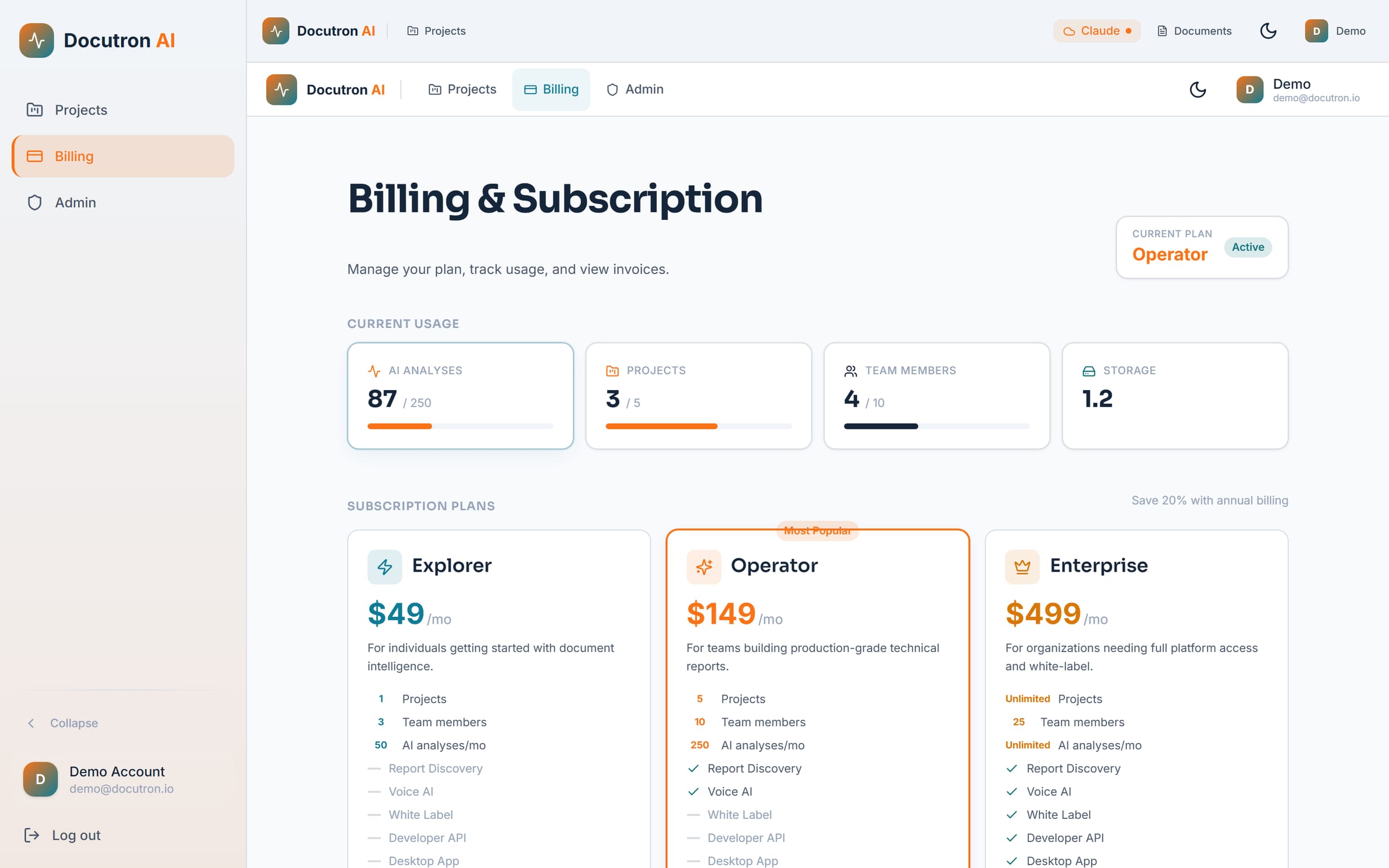
- Stripe billing across three subscription tiers, with Whisper-powered voice transcription for interview ingestion
Outcome
A working demonstration of production multi-agent design — orchestration, cost control, resilience, verifiable output — in a domain where hallucination is disqualifying.