Design Nomenclature / Composition
Recto and verso
Also called recto, verso, spread, facing pages
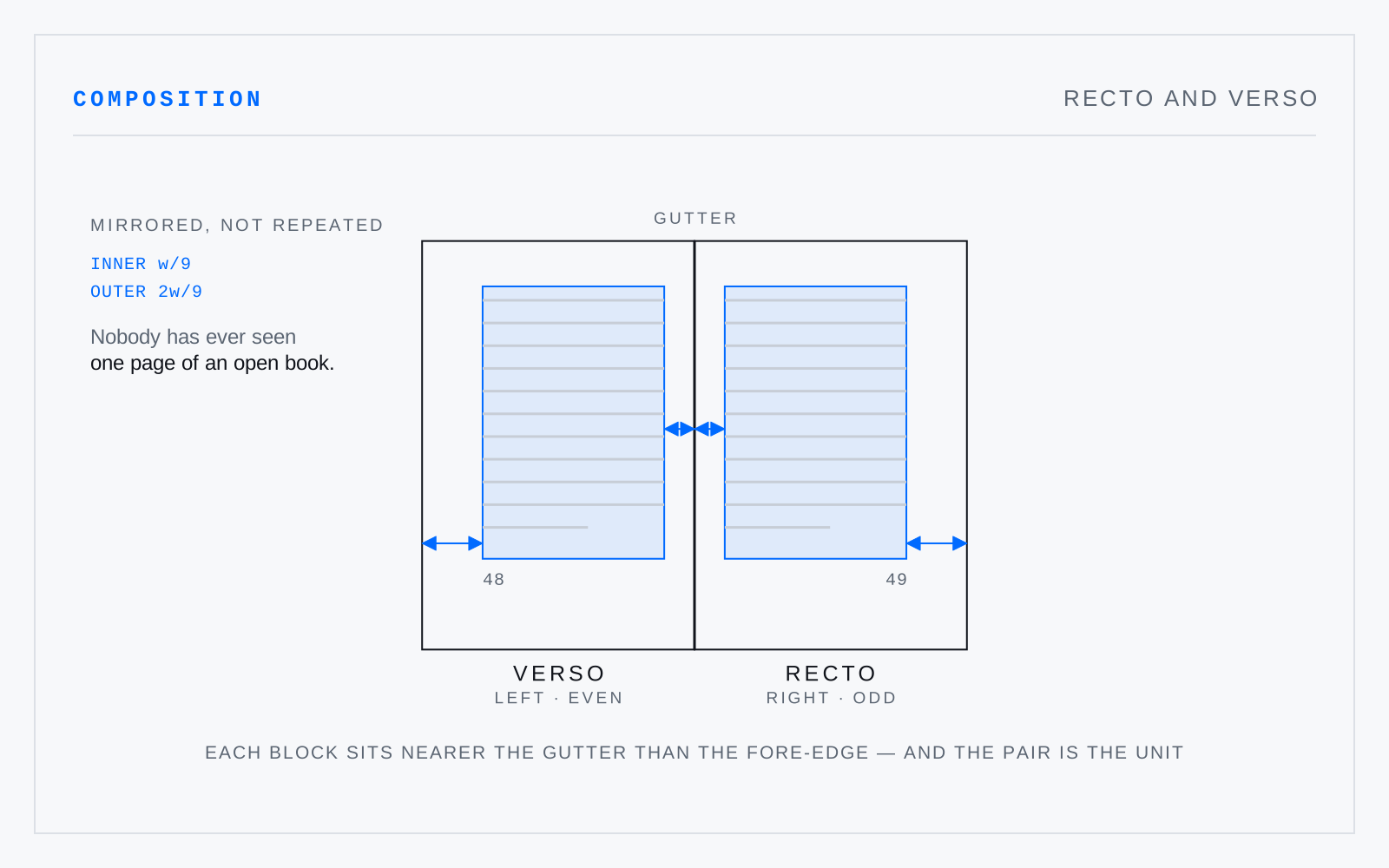
The two sides of a leaf: recto the right-hand page, verso the left. The pair, not the page, is the unit a reader actually meets — nobody has ever seen one page of an open book — so margins are set asymmetrically and the two facing pages are mirrored about the gutter rather than repeated.
In practice
Recto is always odd-numbered, always the page a chapter opens on, and always the one a reader's eye lands on first. Designing a page at a time, centred, is the habit a page canon exists to argue against.
Origin
From Latin recto folio, 'on the right leaf', and verso folio, 'on the turned leaf' — descriptions of handling the sheet, not of position on a spread. The verso is simply the side you reach by turning.