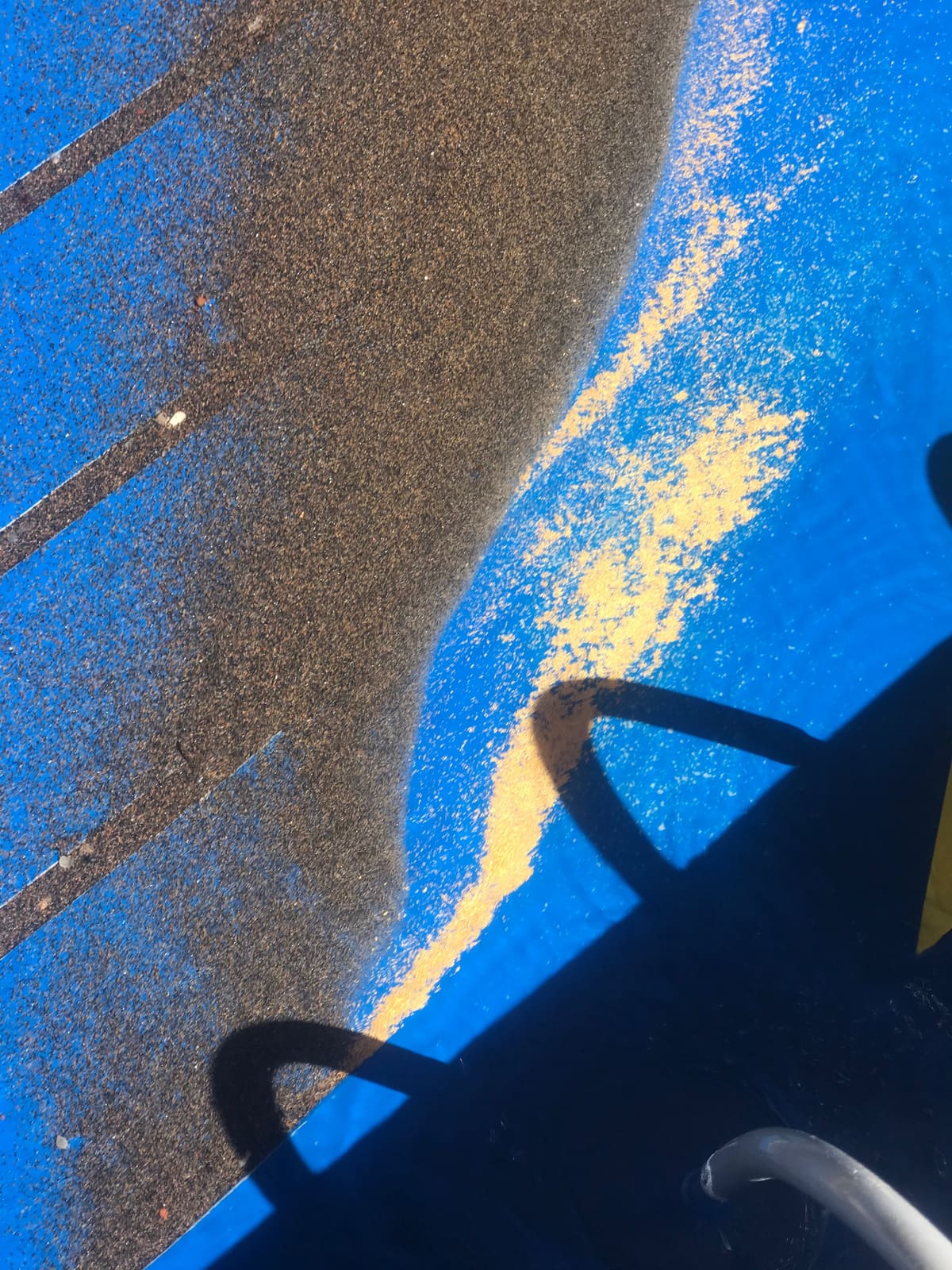
Strip away the gold-rush history and the West Side Placer's strongest technical claim is a mineral most people have never heard of: monazite, a rare-earth phosphate that occurs as glassy amber grains in the district's black sands.
Why Monazite Matters Now
Monazite is one of the two great commercial ores of the rare-earth elements — and specifically of neodymium and praseodymium, the pair that makes the permanent magnets inside EV motors, wind turbines, robotics, and precision-guided systems. The United States imports the overwhelming majority of its processed rare earths from a supply chain that runs through China, which is why "critical minerals" moved from geology journals to federal policy — and why monazite-bearing sands that were once discarded from southeastern titanium mines are now recovered and processed domestically.
What the Laboratories Found
The project's modern program put the black sand through four independent laboratories — including Hazen Research and the analytical laboratory of a major U.S. rare-earth producer — using X-ray fluorescence, fusion methods, ICP mass spectrometry, and automated mineralogy (TIMA) at the University of Wyoming's facilities. The findings, consistent across labs:
- Monazite is a major component of the heavy-mineral fraction — roughly a quarter to a third of it, which the project's technical reports note is on the order of ten times the monazite proportion of the Georgia–Florida placers that historically fed U.S. production.
- The raw heavy-mineral concentrate returned rare-earth-oxide contents in the double digits, roughly doubling after simple magnetic separation — a concentration path using entirely conventional mineral-sands equipment.
- The rare-earth distribution is dominated by the light rare earths with a strong Nd–Pr component, plus meaningful yttrium and a heavy-rare-earth tail hosted in xenotime.
- The producer's laboratory judged the concentrate amenable to its commercial crack-and-leach flowsheet — meaning the material fits processing infrastructure that already exists in the United States.
The Neighborhood Agrees
The district evidence points the same direction. At the historic Eagle Mine placer in the adjacent Iron Ridge ground, a 2014 examination reported the non-magnetic black-sand fraction running dramatically rich in rare-earth minerals at less than ten feet of depth. The 1980s operators' concentrates drew unsolicited interest from the era's dominant rare-earth processor. Same sands, same source rocks, same story.
Honest Caveats
These are exploration results, not a mineral reserve. Grades vary by terrace and by laboratory sample; the platinum-group signature that appears in some assays remains unconfirmed; and no economic study is published here. What the data support saying plainly is this: the West Side Placer is a genuine heavy-mineral-sand system whose rare-earth mineralogy is unusually rich for its class, in a country actively looking for exactly that.