Design Nomenclature / Color
Simultaneous contrast
Also called induction, chromatic induction
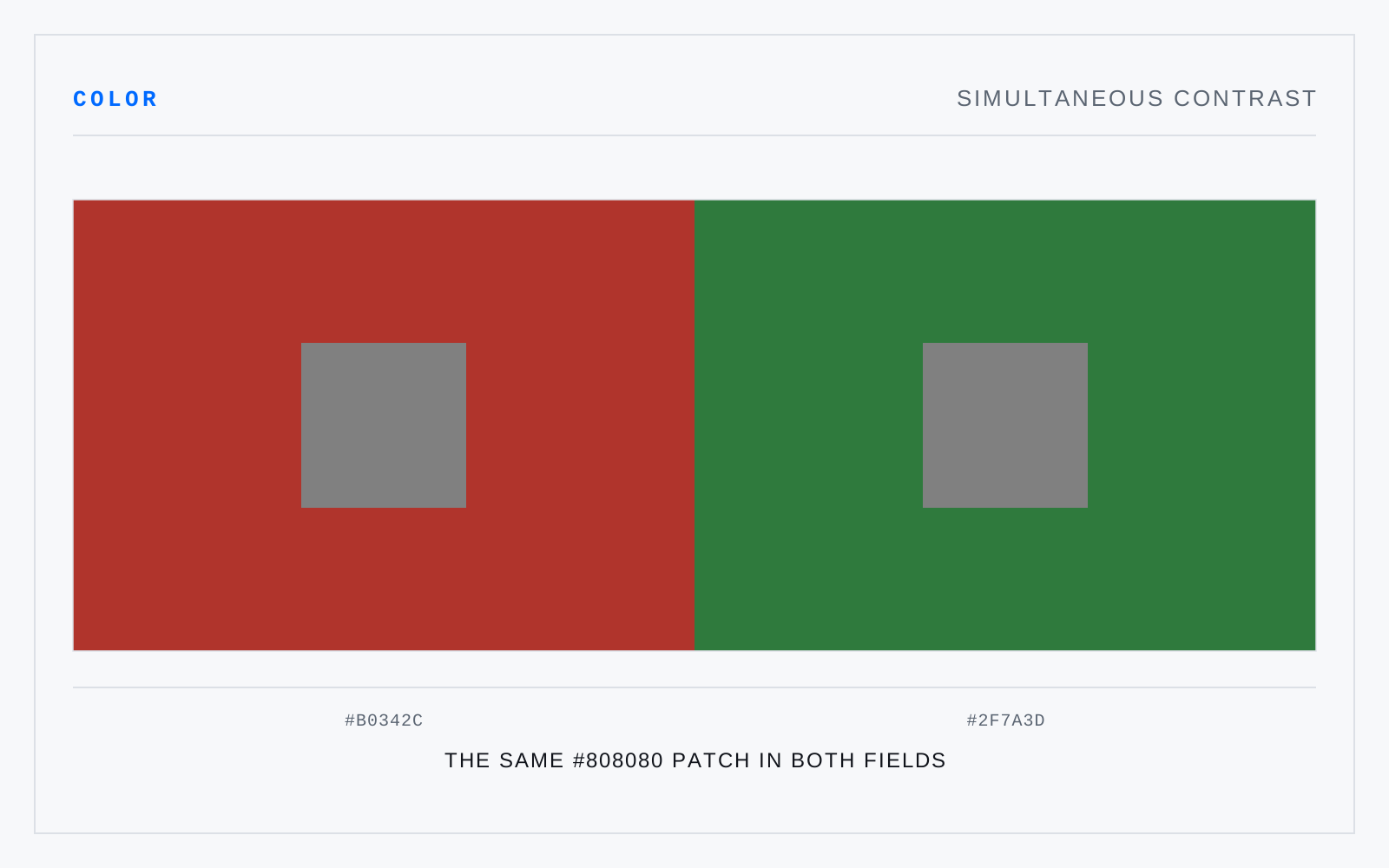
A color's appearance shifting according to what surrounds it: a grey patch on red takes a greenish cast, the same grey on green turns faintly pink. The eye induces the complement of the surround into the field. Nothing about the patch changes — the measurement is identical, the percept is not.
In practice
Albers built Interaction of Color on this one effect. It is why a swatch approved in isolation looks wrong in the layout, and why you never pick color on a white artboard.
Not to be confused with
- Successive contrastThe shift induced by whatever the eye looked at just before. Fix on a saturated red, look away to white, and a cyan afterimage arrives: the red-sensitive response has fatigued and the opponent channel reports the residue. The same mechanism as simultaneous contrast, displaced in time rather than space.
- Bezold effectA color's appearance changing when a small amount of a second color is interlaced through it. Unlike simultaneous contrast, which pushes a field away from its surround, spreading pulls it toward the intruding color — at fine grain the eye averages rather than opposes. Wilhelm von Bezold found it in rug patterns.